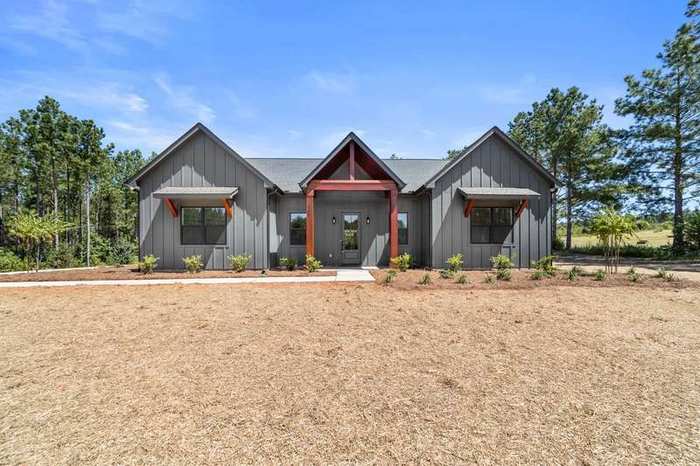
Custom home in North Carolina
The Complete Guide

Building a Custom Home in North Carolina

Everything you need to know before you break ground. From land evaluation to budgeting, timelines, and avoiding costly mistakes.

If you're planning to build a custom home in North Carolina, you're not alone. Between land availability, favorable zoning in many counties, and strong buyer demand, NC has become one of the best states for new construction.

But here's the reality: most people who build for the first time make costly mistakes because they don't know what to look for before they start.

I've worked on 300+ new construction homes across Gaston, Mecklenburg, Cabarrus, Rowan, and surrounding counties. I've seen deals that worked beautifully and deals that lost money because critical steps were skipped.

This guide walks you through the process from start to finish so you know exactly what to expect, what to avoid, and how to build the right way.
01

Land: How to Know If It's Actually Buildable

Buying land is exciting. But not all land is created equal, and not all of it can be built on without serious (and expensive) hurdles.

Here's what you need to verify before you buy:

Zoning and Setbacks

Check with the county planning department to confirm the parcel is zoned for residential construction. Ask about setback requirements (how far the house must sit from property lines, roads, and easements). Some lots look perfect until you realize the buildable area is too small for the home you want.

Utilities

Does the property have access to city water and sewer, or will you need a well and septic system?

If you're tapping into city water and sewer, expect fees to range from $3K to $25K or more. There are separate fees for water and sewer connections, and often a development fee on top of them. Make sure to ask before assuming. These costs vary wildly by county and municipality.

If you're installing septic, costs range from $8K for a gravity system to $35K for a fully engineered system depending on soil conditions and lot constraints. You want to know this before you buy the land. A failed perc test or poor soil can force you into expensive solutions or kill the deal entirely.

Flood Zones

Pull the FEMA flood map for the property. Flood zones only matter if the flood area is in the buildable zone. If it is, you'll face higher insurance costs and possible building restrictions. Some lenders won't finance construction in certain flood zones at all.

Soil and Percolation Tests

If you're installing septic, the county will require a perc test to determine if the soil can handle a septic system. A failed perc test can kill a deal or force you into expensive engineered septic solutions.

Access and Easements

Make sure there's legal access to the property via a public road or recorded easement. If the lot is landlocked or access depends on a neighbor's goodwill, you'll have problems down the line.

Topography

Walk the land. Steep slopes, wetlands, or heavy tree cover can add significant site work costs. Grading and clearing should be factored into your budget early.

02

Budgeting: What Build Costs Actually Look Like in NC

The biggest question I get: "What does it cost per square foot to build in North Carolina?"

The answer depends on the level of finish, location, and site conditions, but here's a realistic breakdown:

Semi-Custom Home: $160–$200 per square foot
Full Custom Home: $200–$250+ per square foot

Important: These numbers include the house itself and sometimes a budget for landscaping and driveway. They do not include site work, land, surveys, or utilities.

If you want to build a total all-in house at $400K, assume the build itself will be around $300K–$320K. The rest will need to cover land, utilities, survey, and site work.

What Drives Cost:

Site Work: Grading, clearing, tree removal, and erosion control. Budget $10K–$40K depending on the lot.

Foundation: Slab, crawl space, or basement. Basements add significant cost.

Framing and Structure: Roof complexity, ceiling heights, and square footage all impact framing costs.

Finishes: Countertops, flooring, cabinetry, lighting, and fixtures. This is where budgets balloon if you're not disciplined.

Mechanical Systems: HVAC, plumbing, and electrical. Larger homes or high-efficiency systems cost more.

Contingency: Always budget 5%–10% for unexpected issues. They will come up.

Costs People Miss:

Land acquisition • Surveys ($500–$1,500) • Permits and inspections ($2K–$5K) • Utility connections and tap fees ($3K–$25K depending on location) • Septic system ($8K–$35K depending on soil and system type) • Driveway ($5K–$20K depending on length and material) • Landscaping ($5K–$20K) • Financing costs (construction loans typically charge 2 points up front plus 10%–12% interest) • Temporary utilities during construction ($500–$1,500)

If your total budget is $400K, don't plan on a $400K house. Plan on a $300K–$320K house so you have room for everything else.

03

Floor Plans: What Actually Matters

Most people fall in love with a floor plan without understanding how it impacts cost, livability, or resale value.

Here's what to prioritize:

Efficiency Over Square Footage

A well-designed 2,000 SF home will feel more spacious and function better than a poorly laid out 2,500 SF home. Focus on flow, natural light, and room proportions, not just total square footage.

Cost-Effective Design Choices

Simple roof lines cost less to frame and maintain than complex hip roofs or multiple gables. Open floor plans reduce material and labor costs compared to segmented layouts with more walls and doors. Standard ceiling heights (9' on the main floor, 8' upstairs) cost less than vaulted or 10'+ ceilings.

Resale Value Considerations

Buyers want main-floor primary suites in most NC markets. Three bedrooms minimum. Four is better. Two full baths minimum. Garage or carport (covered parking adds value).

Avoid Over-Customization

If you're building to sell or building for future resale, don't design a home so specific to your taste that it limits buyer appeal. Unique is fine. Weird is expensive.

04

Timelines: What to Expect from Dirt to Keys

New construction takes longer than most people expect. Here's a realistic timeline:

Phase 1: Pre-Construction (4–8 weeks)

Land acquisition, financing approval, plan review, permitting, and site prep. Delays often happen here due to permitting backlogs or survey issues.

Phase 2: Foundation and Framing (6–10 weeks)

Site work, foundation pour, framing, roof installation, and exterior sheathing. Weather can slow this phase significantly.

Phase 3: Mechanicals and Insulation (4–6 weeks)

Rough-in for HVAC, plumbing, and electrical. Insulation and drywall. Inspections happen throughout this phase.

Phase 4: Finishes (6–10 weeks)

Cabinets, countertops, flooring, trim, paint, fixtures, and appliances. This is where the home starts to look finished.

Phase 5: Final Inspections and Closing (2–4 weeks)

Punch list items, final inspections, certificate of occupancy, and closing.

Total Timeline: 8–12 months from contract signing to move-in, assuming no major delays.

Plan for delays. Permitting, weather, material shortages, and subcontractor schedules all impact timelines.

05

Common Mistakes (and How to Avoid Them)

Mistake 1: Not Budgeting for Contingencies

Something will go wrong. A retaining wall you didn't plan for. Unexpected rock during excavation. A finish you thought was included but wasn't. Budget 5%–10% extra and you'll be fine.

Mistake 2: Choosing Land Based on Price Alone

A cheap lot is cheap for a reason. If it has zoning issues, poor access, or environmental restrictions, the savings disappear fast. Always verify buildability before you buy.

Mistake 3: Skipping the Soil and Perc Test

If you're installing septic, a failed perc test can kill the deal or force you into an expensive engineered system. Always test before you close.

Mistake 4: Not Asking About Tap Fees and Utility Connection Costs

Tap fees and development fees for city water and sewer can range from $3K to $25K or more. Don't assume anything. Call the county or municipality and get the exact cost in writing before you finalize your budget.

Mistake 5: Underestimating Site Work Costs

Grading, clearing, and utility installation can easily run $20K–$40K on difficult lots. Get a site work estimate before you finalize your budget.

Mistake 6: Trusting a Builder's Allowance Without Details

If your contract says "$10K flooring allowance," find out exactly what that covers. Builder-grade allowances often don't get you the finishes you actually want, and upgrades add up fast.

Mistake 7: Not Planning for Change Orders

Every change you make after the contract is signed costs more than if you'd included it upfront. Lock in your finishes and layout before construction starts.

Ready to Build the Right Way?

Building a custom home in North Carolina is one of the best investments you can make if you do it right. But it requires planning, realistic budgeting, and the right guidance. If you're building in Gaston, Mecklenburg, Cabarrus, Rowan, or surrounding counties, I've worked on deals across all of them.

Let's Talk About Your Project